
Field Operations
Streamlining OOH Work Order Management for Outdoor Media Owners
Learn how structured field operations management closes the communication gap between traffic teams and posting crews to protect campaign execution.
By Ad Manager Connect Team · · 6 min read
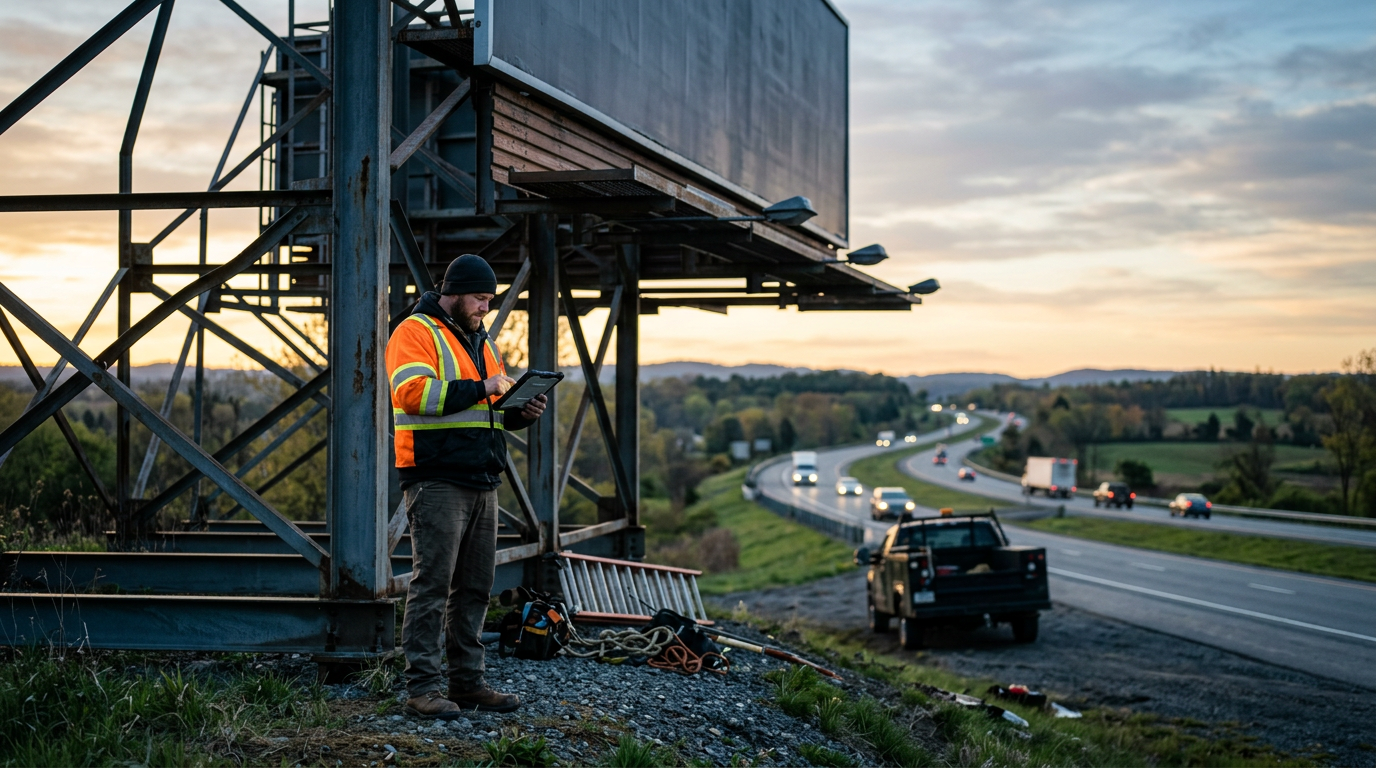
For out-of-home (OOH) advertising companies, a signed contract and a confirmed campaign schedule are only the beginning. Every campaign still depends on field teams installing the right creative, at the right location, at the right time.
When office traffic teams and field posting crews aren't working from the same information, problems quickly follow. Crews may arrive with the wrong materials, install artwork on the wrong advertising face, or miss a scheduled posting date. These mistakes waste time, frustrate advertisers, and can lead to make-goods, billing disputes, and lost revenue.
OOH work order management helps media owners connect campaign schedules with the field operations needed to deliver them. By centralizing job details, coordinating crew assignments, and tracking completion, media owners can improve operational visibility and ensure work is completed as planned.
For companies managing advertising assets across multiple locations, a structured approach to work order management can make a meaningful difference to both service quality and profitability.
The Operational Risks of Disconnected Field Workflows
Managing outdoor advertising assets across a large geographic area requires accurate job information, efficient routing, and timely communication between office and field teams.
When crews rely on printed work orders, email threads, or informal messages, important details can be missed. A crew might arrive without the correct poster dimensions, discover that the required materials aren't available, or install creative on the wrong face in a group of nearby advertising structures. Furthermore, if there is a change to the day's posting requirements, operations teams may not be able to reach the technicians with changes to the work orders in time to accommodate the new instructions.
Scheduling creates another challenge. OOH campaigns commonly follow four-week or monthly posting cycles, leaving little room for delays. When a posting misses its scheduled start date, the media owner may have to arrange a return visit, resolve an advertiser complaint, or provide a make-good.
These issues also affect productivity. Time spent clarifying instructions, collecting missing materials, or revisiting completed jobs is time that crews could spend servicing other locations.
The goal is straightforward: give every crew member the information needed to complete each job correctly, safely, and on schedule.
What Should an OOH Work Order Include?
Effective OOH work order management starts with a standardized job record that gives field crews a clear set of instructions.
Whether a work order covers a new poster installation, a vinyl replacement, or a maintenance visit, it should include the information required to complete the job without unnecessary calls back to the office.
Essential work order details include:
- Location and panel identification: Site address, asset ID, GPS coordinates where available, and the specific advertising face or side.
- Materials and dimensions: Poster or vinyl type, required dimensions, finishing details, and any necessary mounting hardware.
- Creative and installation instructions: Campaign name, current artwork reference, visual preview where available, and installation requirements.
- Schedule and deadlines: Assigned completion date, priority, and the campaign start date the work must support.
- Site access and safety: Access instructions, relevant hazards, working-at-height requirements, and any site-specific restrictions.
- Completion requirements: Required status updates, installation photographs, and any additional information needed to verify the work.
- Mobile access to these details helps crews work from consistent instructions while allowing office teams to monitor progress.
Improve Crew Productivity with Geographic Job Routing
Work order management isn't just about assigning jobs. It's also about organizing them efficiently.
Grouping jobs by geographic proximity helps field managers plan practical daily routes, reduce unnecessary travel, and increase the number of installations or service calls completed during each shift.
Coordinating those routes with warehouse preparation provides another opportunity to save time. When posters, vinyl skins, and other materials are checked and staged before crews depart, technicians spend less time resolving missing-material problems and more time completing scheduled work.
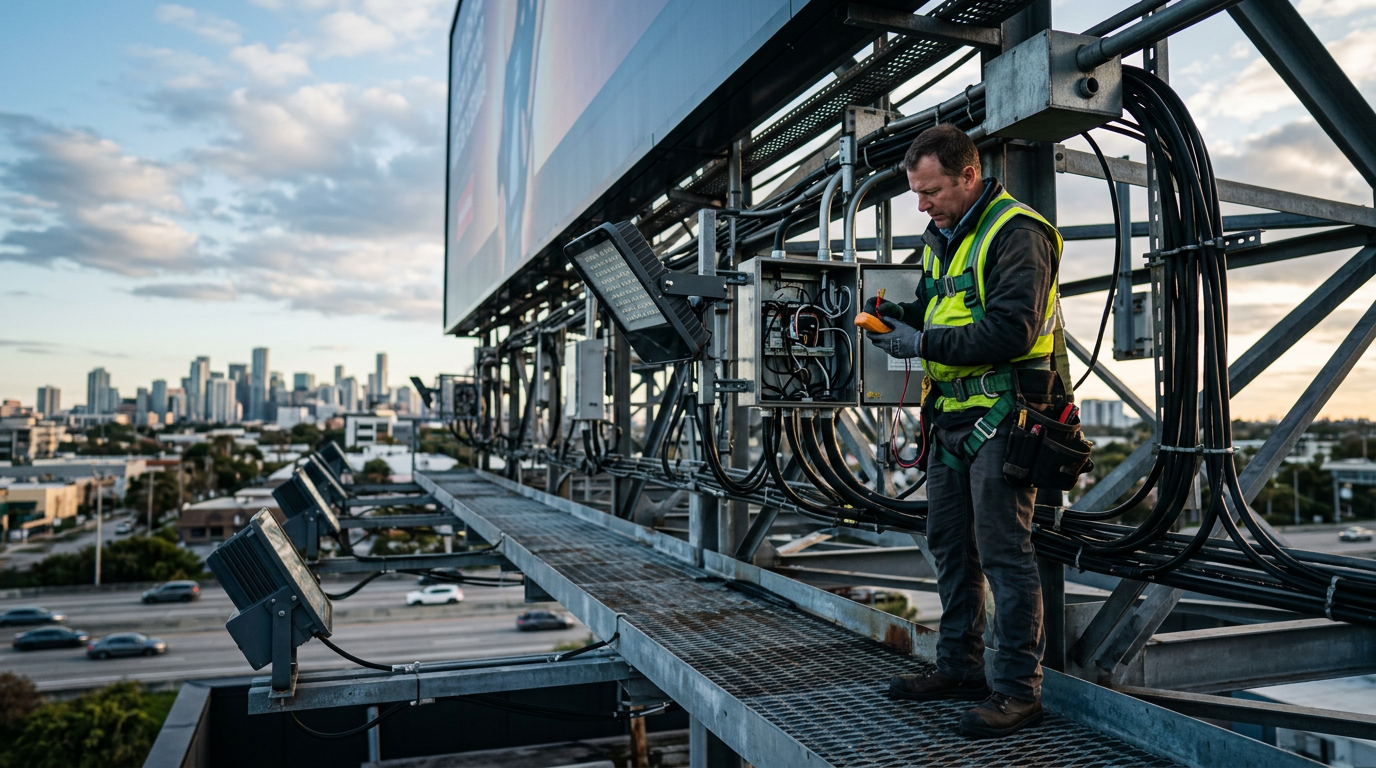
Managing Advertising Asset Maintenance and Repairs
New campaign installations are only one part of field operations. Outdoor advertising structures also require ongoing maintenance to remain safe, functional, and presentable.
Depending on the asset, this work can include replacing failed illumination lamps, repairing damaged vinyl, clearing vegetation that obstructs visibility, checking electrical components, and inspecting structural conditions.
Without a structured process, maintenance issues identified in the field can be lost in emails or informal conversations. A damaged frame or failed light sensor might remain unresolved until it affects an active campaign.
An integrated work order process gives field crews a way to report problems when they discover them. That information can then be used to create, prioritize, assign, and track a separate maintenance work order.
For digital out-of-home (DOOH) networks, the same approach can support physical inspections and repairs of displays, enclosures, and associated equipment. Screen monitoring and remote diagnostics may complement these workflows, although they serve a different purpose from physical field maintenance.
By tracking both scheduled maintenance and unexpected repairs, media owners can improve asset care, reduce repeat visits, and address issues before they disrupt campaign delivery.
Connect Field Completion to Billing and Proof of Performance
Completing an installation doesn't necessarily mean the office knows the job is finished.
Traffic and finance teams need confirmation that campaign obligations have been met before they can close out work, resolve exceptions, and prepare accurate billing documentation.
When field crews submit completion updates and installation photographs through a connected mobile workflow, office teams can review the results without chasing information across emails and messaging applications.
Where supported, timestamped records and location information can provide additional evidence of when and where the work was completed. These records can also help assemble proof of performance (PoP) packages for advertisers and agencies.
Traditionally, sales teams and operations teams have operated in their own silos, with the finance team left to try and put together the pieces. A more connected process reduces the administrative gap between field completion and office verification. This can help prevent avoidable billing delays, support faster cash collection, and make it easier to resolve questions about campaign execution.
Three Best Practices for Better OOH Field Operations
Media owners can improve work order performance by establishing consistent procedures across their territories, internal teams, and subcontracted posting crews.
1. Standardize job completion and delay reporting.
Define what constitutes a completed work order and establish consistent reasons for incomplete or delayed jobs. Examples include missing materials, severe weather, restricted site access, and damaged structures. Consistent reporting helps managers identify recurring problems and address their underlying causes.
2. Coordinate warehouse preparation with field dispatch.
Check materials against scheduled jobs before crews leave the warehouse. Grouping the required inventory by route and assignment reduces the risk of missing supplies, unnecessary return trips, and wasted labour hours.
3. Use mobile tools that connect field teams with the office.
Choose field operations software that gives crews access to current work orders and allows them to submit status updates, photographs, and issue reports from their mobile devices. The system should also provide office teams with a clear view of outstanding jobs, completed work, and exceptions requiring attention.
The objective is not simply to digitize paperwork. It is to create a consistent process that connects scheduling, dispatch, field execution, and verification.
Bringing Field Operations Together
Effective OOH work order management connects the plans made in the office with the work performed in the field. Standardized job details, efficient routing, structured maintenance, and reliable completion records help media owners reduce avoidable delays and improve accountability.
For OOH and DOOH businesses operating across large networks of advertising assets, these improvements can translate into more productive crews, better campaign execution, and fewer administrative obstacles between completing a job and getting paid.
The result is a more consistent field operations process that supports both advertiser satisfaction and long-term profitability.
Ad Manager Connect's Field Operations solution works on all devices, and provides your team with reliable access to their data. Even if a technician is in an area with poor mobile phone coverage, tasks can be completed, and the information will automatically upload when they have service again. For a demo of how Ad Manager Connect and our Field Operations module work together, contact us for a demo today.
See Ad Manager Connect on your inventory
We will walk through the platform using workflows that match how your OOH or DOOH business actually runs.